
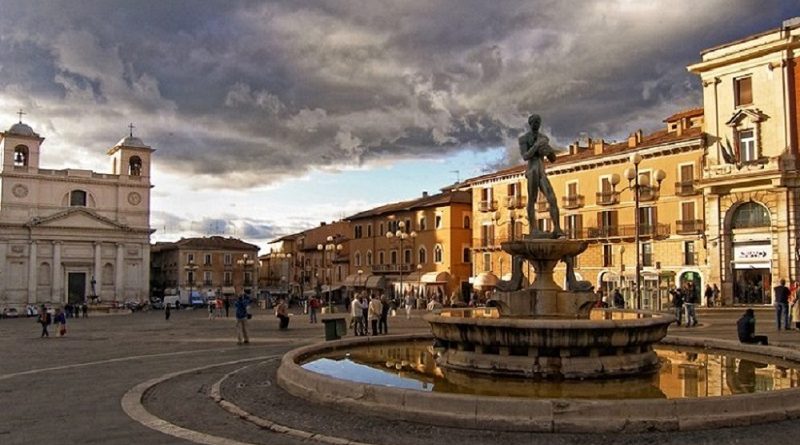
L’Aquila: every wound can heal after the earthquake
Known for being the capital of one of the most appreciated regions of Central Italy for culture and tourism, L’Aquila is one of the Italian cities known at the record to proudly survived one of the most severe earthquakes that our peninsula remembers, occurred on 6th April 2009, an event that aroused immediate national resonance, allowing local and national aids to get busy to give new prestige to this city in which cultural influences of significance converge, especially at level of research and influence of European and foreign populations.
The earthquake which involved l’Aquila.
The ninth grade of Mercalli scale earthquake, which involved l’Aquila and some villages in the surrounding of the epicenter, became one of the most sadly significant occurrences of the place.
Leading to tens of thousands displaced people in the area and unfortunately causing several victims, reiterated over time due to succession of various tremors in the following days, despite the lower registered intensity.
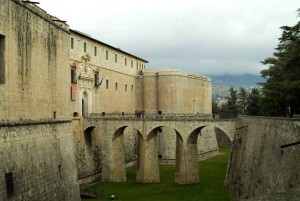
Among the affected countries, beyond l’Aquila, there were the near Villa Sant’Angelo, San Gregorio, Paganica and Onna, devastated by several losses of cultural and artistic value due to damages and collapses.
The seismic events brought damages primarily to the most well-known local symbols, including the Spanish Fortress, and others for which shoring had been resorted to a tentative of a rapid reconstruction.
 The urgency related to L’Aquila was not fortunately underestimated, and thanks to a plan of action and management of the displaced, as well as tent cities where survivors were housed, the city was slowly allowed to return to a relative normality, with various solidarity actions come also from abroad, which contributed to rebuild the artistic and economic asset, effectively giving new hope to the local population, who continues relentlessly to find new reasons to heal their past wounds, trying to do the best to rebuild their hometown.